November 27, 2026
Caribbean Food Denver: Best Jerk Chicken, Curry, and More
By @augustognt624
Denver is not the first city most people name when they talk about Caribbean cooking, and that is exactly why the local scene can surprise you. The city’s food culture has widened dramatically over the last decade, and with that growth has come a more serious appetite for bold spice, slow braises, char from the grill, and the kind of layered comfort food that defines so much Caribbean cooking. If you are searching for caribbean food denver, the real challenge is not whether you can find it. The challenge is knowing what makes a plate worth your time.
Good Caribbean food is rarely subtle. It leans on allspice, Scotch bonnet, thyme, ginger, garlic, coconut, curry, citrus, smoke, and time. The best versions are built in stages. A marinade sits overnight. A curry cooks down until the oil separates and the spices settle into the meat. Rice absorbs stock, coconut milk, or the drippings from whatever is simmering next to it. Even a simple side like cabbage can carry sweetness, heat, and vinegar in a way that rounds out the plate rather than merely filling space.
That complexity matters in Denver because altitude, supply chains, and customer expectations can all push restaurants toward shortcuts. Some dishes travel poorly. Some spices lose their edge if a kitchen tones them down for a wider audience. And yet, when a cook gets the balance right, you end up with food that feels both transportive and deeply suited to Colorado’s climate. On a cold afternoon, a proper curry goat or oxtail can hit with the same restorative force as any stew in town. On a warm evening, jerk chicken with rice and peas and a cold drink makes perfect sense on a patio.
What people usually mean when they say Caribbean food
Caribbean cuisine is not one thing. It is a web of culinary traditions shaped by African, Indigenous, Indian, Chinese, Spanish, French, Dutch, and British influences, then filtered through island agriculture, migration, and local taste. Jamaican food is what many Denver diners recognize first, especially jerk chicken, patties, curry chicken, and oxtail. Trinidadian cooking brings roti, doubles, and richly spiced curries. Puerto Rican and Cuban cooking add their own distinct rhythms, with mofongo, pernil, black beans, roast pork, and sofrito-driven stews. Haitian and Dominican food contribute another set of textures and flavors entirely.
That breadth matters because a menu can be genuinely Caribbean without serving every famous dish from every island. A smaller spot may focus tightly on Jamaican staples. Another may blend several traditions because that reflects the owner’s family history or the realities of running a restaurant in Denver. The best way to judge a place is not by how many flags it can wave on a single menu. It is by whether the food tastes grounded, confident, and cooked with a point of view.
The jerk chicken standard
If there is one dish that quickly reveals whether a kitchen understands Caribbean flavor, it is jerk chicken. People often reduce jerk to “spicy grilled chicken,” but that misses the craft. Proper jerk is a seasoning method and a cooking style. It should carry deep aromatics from allspice and thyme, obvious savory punch from garlic and scallion, a hint of sweetness, and real chile heat, usually from Scotch bonnet or a comparable pepper. Smoke is not optional. It is part of the dish’s identity.
In Denver, you will see jerk prepared a few different ways. Some kitchens roast it, some grill it, and a few manage to capture the smoky edge that makes the dish memorable. The best plates tend to have visible char without drying out the meat. Dark meat usually performs better because it stands up to the marinade and stays juicy after high heat. If the chicken tastes mostly salty, or if the spice blend sits only on the surface, that is a weak version. Good jerk penetrates.
A strong jerk plate also depends on what comes with it. Rice and peas should not be an afterthought. They should be fragrant, distinct, and seasoned enough to hold their own against the chicken. Plantains should be properly caramelized, not pale and starchy. Cabbage, if served, should offer relief and brightness. Sauce can help, but it should not rescue a bland bird.
I have found that many diners who think they “don’t like jerk” have simply had versions where the heat was muted and the smoke absent. Once you taste a properly balanced jerk chicken, the dish makes immediate sense. It is hot, yes, but also sweet, herbal, savory, and almost perfumed.
Why curry deserves equal billing
Jerk gets the headlines, but curry is often where a Caribbean kitchen shows its patience. Caribbean curries differ from many Indian curries in profile and texture, though the historical connection is clear. The spice blends are often warmer and more direct, with turmeric, coriander, cumin, fenugreek, allspice, and chile contributing to a sauce that can be earthy, bright, or deeply roasty depending on technique. The oil step matters. Seasoned cooks “burn” or bloom the curry in oil before adding liquid, which helps eliminate raw spice flavor and creates the characteristic depth people chase.
Curry chicken is usually the safest starting point if you are new to Caribbean food in Denver. It is accessible, satisfying, and often generous in portion. Curry goat, when done well, is even better. Goat has a firmer texture and more character than chicken, and it rewards long simmering. A good curry goat should be tender but not mushy, with bones that tell you the meat was cooked traditionally rather than engineered for convenience.
Goat can be an acid test for authenticity and confidence. It is not a dish you put on a menu casually. It requires customer demand, reliable sourcing, and cooks who know how to season assertively without masking the meat. The same is true of curry shrimp, which sounds lighter but can be just as exacting. Shrimp overcooks fast, and the curry has to cling rather than pool.
Denver’s dry climate and elevation can work against long-cooked dishes if a kitchen rushes the process. That is one reason the best curry tends to come from places that treat it as a house staple, not a box to check on the menu.
Oxtail, the dish serious diners ask about
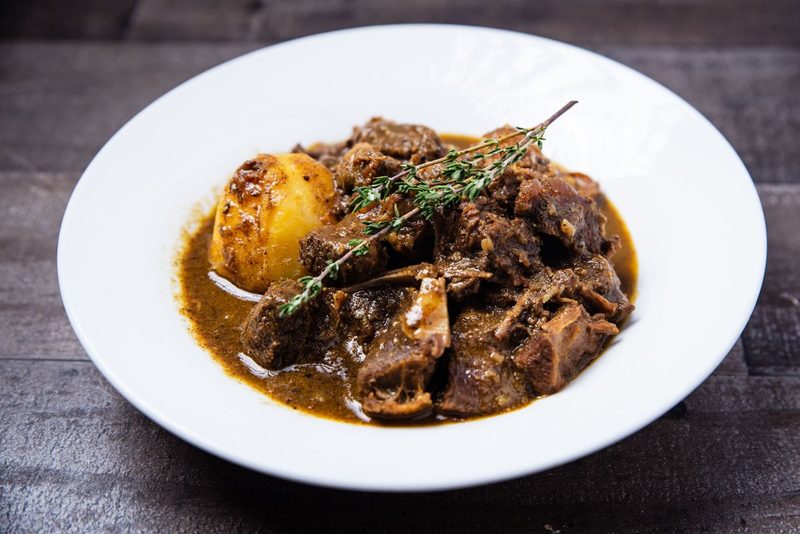
Ask regulars where a Caribbean restaurant caribbean food denver earns its reputation, and many will point to oxtail before anything else. That makes sense. Oxtail is expensive, labor-intensive, and unforgiving of sloppy technique. When done right, it arrives glossy, rich, and fork-tender, with a sauce that lands somewhere between stew and gravy. The meat should pull from the bone with little effort but still retain body. The sauce should taste beefy, spiced, and slightly sweet, often with butter beans folded in to soak up all that braising liquid.
Bad oxtail feels like a missed opportunity. It can turn greasy, flat, or watery. Good oxtail tastes like somebody stood over the pot, tasting and adjusting as it reduced. In a city where comfort food can skew heavy without nuance, Caribbean oxtail stands out because it carries both richness and lift. Thyme, scallion, pepper, onion, and sometimes browning sauce keep it from becoming dull.
This is also one of those dishes where price should not shock you. If a restaurant serves excellent oxtail, the cost usually reflects reality. Anyone who has cooked it seriously knows there is no cheap shortcut to the real thing.
The sides are not filler
A lot of first-time customers focus on the protein and overlook the sides. That is a mistake. In Caribbean cooking, sides are part of the architecture of the plate. They manage spice, absorb sauce, and provide contrast.
Rice and peas, despite the name, usually means rice cooked with beans, often kidney beans or pigeon peas, plus coconut milk, thyme, scallion, and spices. The best versions are fragrant and distinct, not gummy. Steamed cabbage often brings a lightly sweet, savory softness that offsets jerk heat. Fried plantains can swing from lightly sweet to deeply caramelized, and that range changes the whole meal. Macaroni pie or baked mac and cheese, where offered, can be dense, comforting, and intentionally rich. Festival, a slightly sweet fried dough, is one of the smartest companions to jerk because it softens the heat and gives you another texture to work with.
When evaluating caribbean food denver, pay close attention to these details. A restaurant that seasons its cabbage well and cooks its rice properly is usually paying attention elsewhere too.
Patties, roti, and the food that travels well
Not every Caribbean meal needs to be a full plate with three sides and a drink. Patties and roti matter because they show another side of the cuisine, the side built for portability, lunch breaks, street-side eating, and quick comfort.
A good Jamaican patty should have a flaky, deeply colored crust and a filling that is moist, well-spiced, and hotter than it looks. Beef is the baseline, but chicken, vegetable, and curry variations can be just as satisfying. The crust is where many versions fail. If it eats like ordinary pie dough, something is off. A proper patty has a distinct crumb and color, often from turmeric or curry powder in the dough.
Roti opens a different conversation. Whether wrapped around curry or served as dhalpuri or paratha-style flatbread, it should be soft enough to fold and sturdy enough to hold saucy fillings. A really good roti is one of the most gratifying foods in this entire culinary category. It is messy in the best way and deeply practical. You can eat it at a table, in your car, or at your desk, though the desk option usually ends with curry on your sleeve.
These are also some of the smartest items to order if you are testing a new place for the first time. They reveal seasoning, dough work, portioning, and consistency without requiring the kitchen’s heaviest prep.
Heat, smoke, sweetness, and balance
People often approach Caribbean food expecting a straightforward spice challenge. Heat is certainly part of the story, but balance is the real point. Scotch bonnet peppers bring not only fire but fruitiness. Browning sauce contributes bitterness and sweetness. Coconut milk softens edges while carrying spice deeper into rice and stews. Fresh thyme can brighten what would otherwise feel heavy.
That balance is why a plate of jerk chicken and plantains works so well. The char and spice would be too aggressive alone. The sweetness of the plantains and the mellow starch of rice and peas round the meal into something complete. The same logic applies to curry with roti, or oxtail with beans and cabbage. These dishes are designed to be eaten together, not as isolated restaurant components.
Denver diners who love barbecue often connect with jerk immediately because both cuisines respect smoke, spice rubs, and the long route to flavor. Diners who lean toward stews and braises tend to gravitate to curry goat and oxtail. And people who want lunch they can hold in one hand often become patty regulars before they realize how much else there is to explore.
What to look for when choosing a spot in Denver
The local Caribbean scene can include formal dining rooms, casual counters, food trucks, pop-ups, and family-run spots with rotating menus. Each format has strengths. Trucks often excel at jerk and patties because those items suit high-turnover service. Brick-and-mortar kitchens may have more range for braises, soups, and larger side menus. Pop-ups can be excellent, though consistency and availability may vary.
A few signs usually point in the right direction:
- The menu has focus rather than trying to represent every island at once.
- Signature dishes like jerk, curry, or oxtail appear to be house strengths, not random additions.
- Sides sound intentional, especially rice and peas, cabbage, and plantains.
- Heat levels are described honestly rather than softened for everyone.
- Regulars talk about specific dishes, not just vague “good vibes.”
Even with those clues, there is some trial and error involved. Denver’s dining landscape changes fast. Hours shift, concepts evolve, and ownership can alter a menu significantly. That is normal. What matters is returning to the places that cook with consistency and nerve.
Ordering well if it is your first time
If you have never explored Caribbean food seriously, the best approach is to build a meal around contrast. Order one smoky item, one saucy item, and sides that let you understand the kitchen’s range. Jerk chicken plus rice and peas is the obvious starting point for a reason. Add plantains if you want sweetness, or cabbage if you want something fresher and lighter. If you are with another person, split a curry goat or oxtail so you can compare styles.
This is also cuisine that rewards leftovers. Curry often tastes better the next day once the spices settle. Jerk can be folded into rice, tucked into bread, or eaten cold out of the fridge if you are not feeling formal. For value, that matters. A slightly higher ticket can still be a good buy if the food holds up well overnight.
One thing I would not recommend is judging a restaurant solely by a boneless chicken dish or a generic fried item. Those can be fine, but they do not tell you much about a kitchen’s strengths. You learn more from bone-in curry, from the smoke on jerk, from the tenderness of oxtail, and from whether the rice actually tastes like something.
Where Caribbean food fits in Denver’s broader dining culture
Denver is a city that has grown more serious about regional cuisines, but it still rewards clarity. Restaurants that do well here often make their case in a direct way. Caribbean cooking fits that pattern nicely because the flavors are immediate and memorable. There is no need to over-explain a plate of jerk chicken when the aroma arrives before the plate hits the table.
At the same time, the cuisine can be misunderstood if diners expect it to mirror other food traditions they already know. Caribbean curry is not interchangeable with Thai or Indian curry. Rice and peas are not just “rice with beans.” A patty is not merely a turnover. Once people recognize those distinctions, they tend to become loyal customers.
That loyalty matters because many Caribbean businesses rely on repeat visits more than novelty. The food is built around comfort, craving, and ritual. You find the curry that suits you, the spice level you trust, the side combination you always add. You become the person who stops by for patties on a weekday or orders oxtail when the weather turns.
A few dishes worth seeking beyond the obvious
Once you move past the headliners, Caribbean menus open up in useful ways. Escovitch fish brings acid and spice in a style that feels bright rather than heavy. Brown stew chicken offers a darker, sweeter savoriness than curry. Pepper pot soups and stews, where available, can be some of the most soulful cooking on the menu. Callaloo, saltfish, and ackee speak to a breakfast and home-cooking tradition that many casual diners never get around to trying.
If you see specials, pay attention to them. In cuisines rooted in daily cooking and family practice, specials can be where the kitchen relaxes into its own voice. That is often where you find the dish the cook actually wanted to make, not just the one most likely to sell.
The real appeal of Caribbean food in Denver
The strongest case for Caribbean food in Denver is not novelty. It is satisfaction. This is food with backbone. It can feed a construction crew, comfort someone after a long week, or anchor a dinner with friends who all want something different from the same menu. It delivers heat without gimmick, sweetness without cloying excess, and richness that is usually balanced by herbs, acid, or smoke.
It also reflects the way cities evolve. As Denver grows, the food people seek out grows with it. Diners become more curious. Cooks find larger audiences for recipes they once served only to their own communities. The result is a dining scene with more depth, more honesty, and more room for flavor that does not apologize for itself.
If you are exploring caribbean food denver, start with the essentials, but do not stop there. Find the spot whose jerk smells like smoke before you even sit down. Order the curry that stains the rice golden and tastes even better the next day. Pay attention to the cabbage, the plantains, the beans, the dough, the gravy. Caribbean cooking reveals itself in the details, and in Denver, those details are what separate a decent meal from one you will go back for repeatedly.
Reggae Pot Jamaican Grill
2243 S Monaco St Pkwy, Suite 104
Denver, CO 80222
(720) 410-2956
FAQ About caribbean food denver
What is a typical Caribbean meal?
Caribbean cuisines vary by island. A Jamaican meal might pair jerk chicken or oxtail with sides such as rice and peas, cabbage, or fried plantains.
What is Jamaica’s national dish?
Ackee and saltfish is widely recognized as Jamaica’s national dish. Check the current menu for availability.
Is Caribbean jerk the same as Jamaican jerk?
Jerk is a Jamaican cooking tradition associated with seasoning and slow cooking or grilling. The exact heat level and preparation vary by cook.
❧